
DENTAL EXTRACTIONS IN POWAY NEAR CARMEL MOUNTAIN RANCH
Dental Extractions
What You Need To Know About Having A Tooth Extracted
If you’re looking for a dentist near you that offers tooth extraction services, you’re in luck – our office is conveniently located in Poway, CA, near Carmel Mountain Ranch, Ramona, Rancho Bernardo, Scripps Ranch, 4S Ranch, and Mira Mesa.
At Pomerado Family Dental, your well-being is our top priority. Our highly skilled and experienced team is dedicated to ensuring patient comfort and a stress-free dental experience. We take pride in providing compassionate and personalized care, delivered with gentleness and precision, earning the respect and trust of our valued patients. Your dental health is our foremost concern, and we’re here to serve you.
In what case would a tooth need to be pulled?
While we do everything we can to preserve the integrity of your natural smile, it’s sometimes necessary to extract a tooth to protect your oral health and overall well-being.
A "baby" or deciduous tooth that is over retained (reluctant to fall out), severely decayed, or damaged
In most cases, a baby tooth will fall out as scheduled as the underlying permanent one begins to erupt into place. However, occasionally a baby tooth continues to remain firmly attached to the bone. Either the roots of the baby tooth have failed to resorb and shrink as intended, or the baby tooth has become ankylosed and fused to the supporting bone. The problem is that over-retained baby teeth can disrupt the development and alignment of your child’s smile. As we monitor your child’s smile as they grow, we’ll advise you if and when an extraction of a baby tooth is required to facilitate the eruption of its underlying permanent successor.


A permanent tooth that has extensive decay and is deemed non-restorable
Beginning as a simple pinpoint defect on the outermost enamel layer of your tooth, untreated dental decay will continue to compromise healthy tooth structure as it works its way to the inner layers of the tooth. Without proper care, a cavity can lead to significant damage to tooth structure, irreversible damage to the nerve of the tooth, a dental infection, and serious consequences to your oral health and overall well-being. When the tooth has sustained far too much structural damage and cannot be restored, a dental extraction may be required.
A permanent tooth that has been severely fractured or cracked and can not be restored
There are many different types of chips, cracks, and fractures that can affect your teeth. The extent of the damage that it causes will determine if there is enough intact tooth structure to save the tooth and the type of treatment required. In cases where too much tooth structure or the root of a tooth has also been compromised, an extraction may be necessary.
Advanced gum disease that has significantly compromised the tooth's supporting tissues
The most common cause of tooth loss in adults is gum disease. When left untreated, periodontal disease, which affects the hard and soft tissues supporting your teeth, can lead to gingival pocket formation, gum recession, and diminishing alveolar bone. As advanced and untreated gum disease progresses, the teeth ultimately loosen, fall out, or require extractions.
Poorly positioned, impacted, or decayed wisdom teeth
Overcrowded Teeth

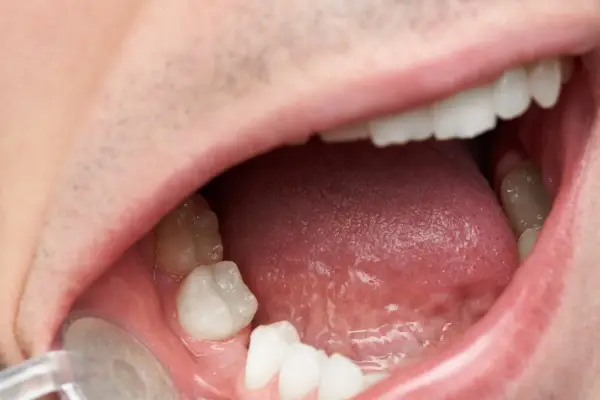
How is a tooth extraction performed?
Whatever the reasons for a dental extraction may be, you can rest assured that your care is in the best of hands at our office. As the first step in care, our dentist will review your medical and dental histories and discuss any special considerations in care.
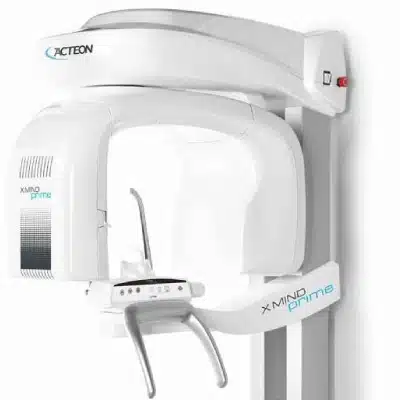
To thoroughly assess the tooth and the type of extraction required, we perform a comprehensive examination and take digital radiographs as indicated. Extractions are typically categorized as either “simple” or “surgical extractions.”
What Is A Simple Extraction?
When the tooth is clearly visible in the mouth and the root anatomy is not extensively hooked, fused to the surrounding bone, or otherwise unusual, it usually falls into the category of a simple extraction. Once the tooth and the surrounding tissues get sufficiently numbed with a local anesthetic, our dentist will loosen any attached periodontal tissues and apply forceps to remove the tooth. As with all dental procedures, we do all we can to help ensure your comfort and relaxation throughout every step of care. For patients who are anxious about dental work or certain procedures, we can discuss additional options in dental sedation.
What Is A Surgical Extraction?
For teeth that are severely broken down, ankylosed, or impacted, a surgical extraction is often indicated. We may refer you to an oral and maxillofacial surgeon to perform this procedure. During a surgical extraction, a small incision in the soft tissues and localized, precise removal of overlying bone provides greater access to remove the tooth. As with all tooth extractions, patients are given a local anesthetic to completely numb the involved tooth and the surrounding tissues. Once again, additional options in dental sedation, pre-surgical considerations, and directives are thoroughly discussed and explained.


What To Do After Getting A Tooth Taken Out
Maintaining gauze pressure
Until the local anesthesia wears off
Take medications as prescribed
Antibiotics:If you have been given a prescription for antibiotics, be sure to take the correct dosage and full course of medication as prescribed.
To facilitate healing
Applying ice
Avoid smoking


Watch what you eat and drink
Oral hygiene
An appointment for a follow-up visit
If you experience continued bleeding, ongoing pain, more swelling, have a bad taste in your mouth, or other unusual symptoms, contact our office.
Why Choose The Office Of Pomerado Family Dental?
You deserve quality care that’s personalized to meet your individual needs, and at the office of Pomerado Family Dental, you can rest assured your smile is in the best of hands. We deliver precise and gentle care, keeping you informed and relaxed throughout your procedure. If your tooth needs to be replaced, we’ll discuss your best options, including dentures, fixed bridges, and dental implants. As the most advanced method of tooth replacement available, dental implants come the closest to replicating the look, feel, and function of a natural smile.
Frequently Asked Questions
Most patients in Poway recover from a simple extraction within 7–10 days. Surgical extractions, such as impacted wisdom teeth, may take 2–3 weeks for full comfort. Healing time depends on the complexity of the procedure and how closely you follow post-op instructions from Pomerado Family Dental.
The procedure itself is not painful because the area is completely numbed. You may feel pressure, but not sharp pain. For patients who feel anxious, we offer sedation dentistry to make treatment more relaxing. Mild soreness afterward is normal and manageable.
Day 3 is typically when swelling peaks and inflammation is at its highest. This is part of the normal healing process. If pain suddenly worsens instead of improving, it may indicate a dry socket. Our emergency dental care team in Poway can evaluate and treat it promptly.
Do use cold compresses, eat soft foods, and follow your dentist’s instructions.
Don’t smoke, use straws, spit forcefully, or eat crunchy foods for several days.
These steps reduce the risk of complications and support proper healing.
If a tooth is severely infected or structurally damaged beyond repair, extraction may be recommended. However, in many cases, a root canal can save the natural tooth. We always evaluate conservative treatment first.
Replacing a missing tooth helps prevent shifting and bone loss. Options include dental implants, dental bridges, and dentures. In some cases, a dental bone graft may be recommended to preserve the jawbone.
Yes. If you’re experiencing severe pain, swelling, or infection, our emergency dental services are available to patients in Poway, Rancho Bernardo, 4S Ranch, and nearby communities.
Yes. Advanced gum disease can destroy the bone and tissue supporting a tooth. Early intervention with periodontal treatment can often prevent tooth loss.
Many insurance plans cover medically necessary extractions. Our team reviews your benefits and explains costs clearly. You can learn more about coverage on our insurance page.
Scheduling is simple. Request an appointment through our contact page. New patients may also qualify for our new patient special, which includes a comprehensive exam.
Can’t find the answer to your question? Contact Us